Mastering the Art of Convention Planning: Your Ultimate Guide to Success

In a world buzzing with events, conventions have become the epitome of gathering minds, sharing knowledge, and creating connections. Whether you’re organizing a tech expo, a gaming convention, or a trade show, convention planning is an art that requires precision, creativity, and strategic thinking. In this guide, we’ll dive into the nitty-gritty of convention planning, explore budget-friendly options, and unveil the secrets to making your event stand out.
First, let’s talk about the basics. The cornerstone of successful convention planning is understanding your audience. Who are they? What are their interests? What are they hoping to gain from attending your convention? Conduct surveys or use social media to gather insights. This foundational knowledge will guide every decision you make—from the theme to the venue.
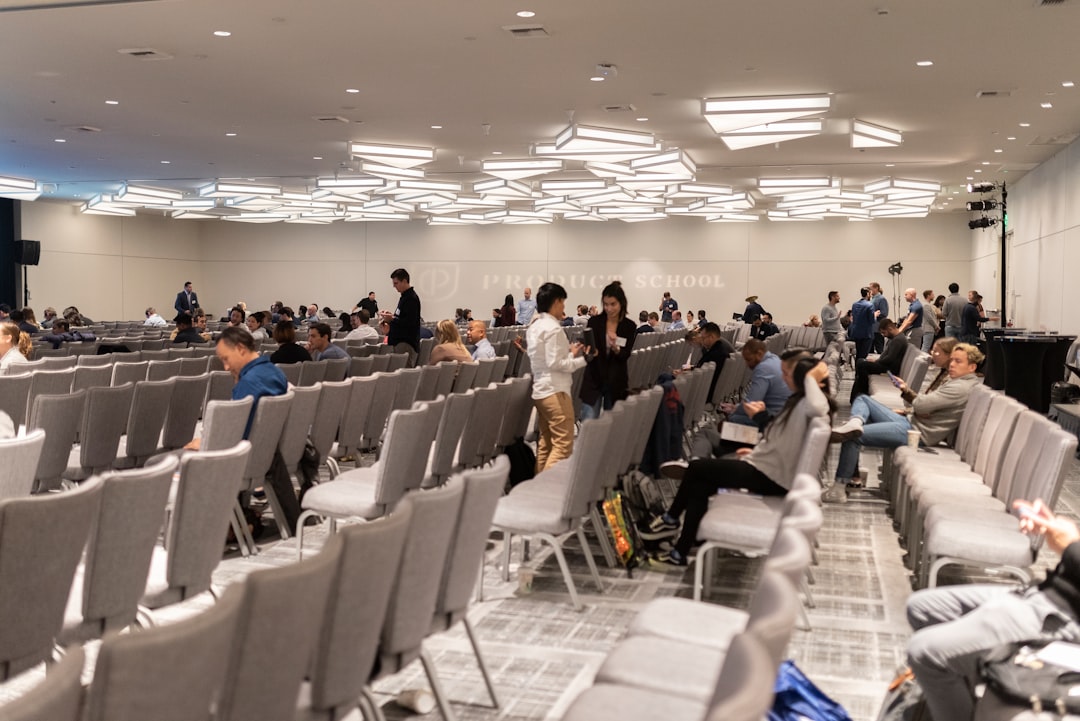
Speaking of venues, selecting the right location can make or break your event. You want a space that is not only large enough to accommodate your attendees but also conveniently located. Consider factors such as accessibility, parking, and nearby accommodations. For budget-friendly options, look for venues that offer packages or are willing to negotiate on price, especially during off-peak times. You might be surprised by how much you can save!
Once you have your venue, it’s time to dive into the nitty-gritty of planning the program. Think beyond the typical keynote speakers and breakout sessions. Consider incorporating interactive elements such as workshops, panel discussions, and networking opportunities. The goal is to create an engaging experience that resonates with your audience. Don’t forget to factor in entertainment; a live band or a fun photo booth can elevate the atmosphere.
Now, let’s touch on a crucial aspect of convention planning—budgeting. It’s easy to get carried away with ideas, but sticking to a budget is essential for success. Start by listing all potential expenses, including venue costs, catering, marketing, and technology rentals. Don’t forget about hidden costs like insurance or security. Once you have a comprehensive list, prioritize your spending. Allocate a portion of your budget for unexpected expenses; this cushion can save you from last-minute scrambles.
In today’s world, eco-friendliness is a key consideration. Attendees are increasingly drawn to events that prioritize sustainability. From utilizing digital tickets to minimizing printed materials, there are plenty of ways to reduce your carbon footprint. Consider partnering with local vendors who practice sustainable methods or offer plant-based catering options. By doing so, you not only appeal to eco-conscious attendees but also contribute positively to the environment.
As technology continues to evolve, integrating tech into your convention planning can enhance the experience for attendees. From event apps that provide schedules and maps to virtual reality experiences, the possibilities are endless. Explore options for live streaming sessions to engage a wider audience, or utilize social media walls to encourage real-time interaction. This approach not only enriches the experience but can also attract sponsors interested in showcasing their brand.
When it comes to promotion, think outside the box. Use engaging content marketing strategies to create buzz before the event. Host webinars leading up to the convention or collaborate with influencers to reach a broader audience. Remember, word of mouth is powerful, so encourage attendees to share their excitement on social media.
As the convention day approaches, keep a detailed checklist and timeline. This will help you manage tasks and ensure everything runs smoothly. On the day of the event, have a dedicated team to handle logistics, troubleshoot issues, and assist attendees. A friendly smile and a helping hand can go a long way in creating a positive atmosphere.
Finally, don’t forget to gather feedback after the event. This is invaluable for improving future conventions. Create surveys to gauge attendee satisfaction, and analyze what worked well and what could be improved. Continuous improvement is the name of the game in convention planning.
In conclusion, convention planning is a multifaceted endeavor that, when executed well, can create memorable experiences and foster lasting connections. By understanding your audience, sticking to a budget, embracing technology, and prioritizing sustainability, you can craft a convention that not only meets but exceeds expectations. So roll up your sleeves, unleash your creativity, and get ready to master the art of convention planning!